How to Start a Paid Newsletter Side Hustle With Zero Audience

- Primary Signal: How to Start a Paid Newsletter Side Hustle With Zero Audience
- Overview: A paid newsletter sounds like it needs a huge audience, but most successful ones start tiny and specific. This guide covers picking a niche, pricing, free-to-paid conversion, and a...
- Verification: Analyzed and compiled by Try2Rich editorial monitoring desk.
Paid newsletters look like a game only big creators can play, because the success stories always mention tens of thousands of subscribers. The reality is quieter: most profitable newsletters serve a small, specific audience that cares deeply about one topic, and many earn their first money with fewer than 500 free readers.
Niche selection decides everything. A newsletter about personal finance is competing with thousands of others, while a newsletter about freelance pricing for wedding photographers, or budgeting for new nurses, serves a defined group with a defined problem. Pick a niche where you have real experience, where readers have money to spend, and where you can write weekly without running dry.
Start free, not paid. A free newsletter builds trust and proves you can show up consistently, and it gives you a list to convert later. Publish weekly for at least eight to twelve weeks before adding a paid tier, and watch which issues get replies, forwards, and clicks, because those topics are your paid content.
Your paid tier needs a clear promise, not just more content. Readers pay for outcomes: templates, teardowns, job leads, deal alerts, or a private community, not for a longer version of the free email. Price it by the value of that outcome, typically 5 to 15 dollars a month for a niche newsletter, and offer an annual option at roughly ten months' price.
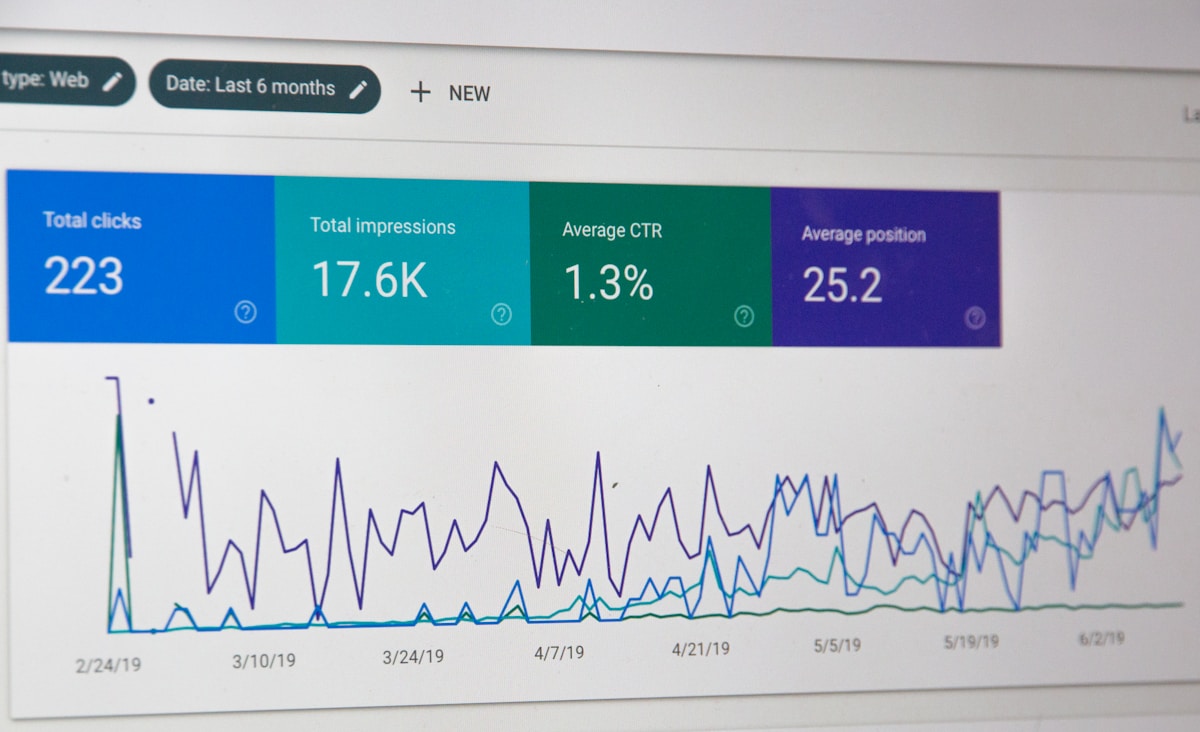
Conversion rates are humbling and normal. A healthy free-to-paid conversion rate is 2 to 5 percent, which means 1,000 free subscribers produce 20 to 50 paying readers, or roughly 100 to 500 dollars a month at typical prices. That is a real side income, not a fortune, and newsletters that promise otherwise are selling courses, not newsletters.
Growth comes from borrowing other people's audiences. Guest posts, podcast appearances, cross-promotions with similar newsletters, and answering questions in communities where your niche gathers all beat paid ads at this stage. One recommendation from a newsletter twice your size can add more subscribers than a month of social media posting.
The tech stack is deliberately boring. Substack, Beehiiv, and ConvertKit all handle subscriptions, payments, and delivery, and the differences matter less than your consistency. Pick one, use its default design, and spend your energy on writing, because readers subscribe for the content, not the template.
Writing a good issue follows a simple structure: one clear idea, a personal example or case study, three actionable takeaways, and one question that invites replies. Replies matter because they train inbox providers to deliver your emails, and because reader replies are your best source of future topics.
Common failure modes are predictable. Publishing irregularly kills trust faster than a bad issue, writing about everything instead of one thing confuses subscribers, and launching a paid tier before anyone asked for one produces silence. If readers are not emailing you asking for more, you are not ready to charge.
Time management makes or breaks a newsletter side hustle. Budget three to four hours a week: one hour for research and notes, two hours for writing and editing, and one hour for promotion and replies. Batch ideas in a running list so you never face a blank page on publishing day.
Monetisation beyond subscriptions grows with the list. Sponsorships, affiliate recommendations, and a small digital product, like a template pack, all fit naturally once readers trust you, but each one should serve the same niche, or it dilutes the trust that makes the newsletter work.
A paid newsletter is a slow, compounding side hustle, not a lottery ticket. Pick a tight niche, publish free weekly, add a paid tier with a concrete promise, and give it six honest months. The creators who win are rarely the loudest, they are the ones still publishing in month seven.
📖 Continue Reading the Full Story
Continue reading this article on Try2Rich.
⚡ Access Full Content NowMore from Try2Rich

 🎁 Get Rich Free
Side hustles you can start from your phone today: A Practical Beginner's Guide
This guide explains side hustles you can start from your phone today in plain language, with practical steps, ...
 💰 Free2Rich Online
How to Start a Print on Demand Store for Free: A Beginner's Step-by-Step Guide
Print on demand lets you sell custom shirts, mugs, and posters without inventory or upfront costs. Follow this...
 🪙 FreeFortune Crypto
Learn and Earn Crypto for Free: A Beginner's Guide to Paid Lessons and Quizzes
Learn-and-earn programs pay small amounts of crypto for completing lessons and quizzes, making them the lowest...
 🎉 FreeFortune Rewards
Best Cashback for Online Shopping Beginners: Start Here in 2026
New to cashback? Start with one portal, one card, and one receipt app. This beginner guide skips the complexit...