How to Start Reselling Items You Already Own for Your First Profit
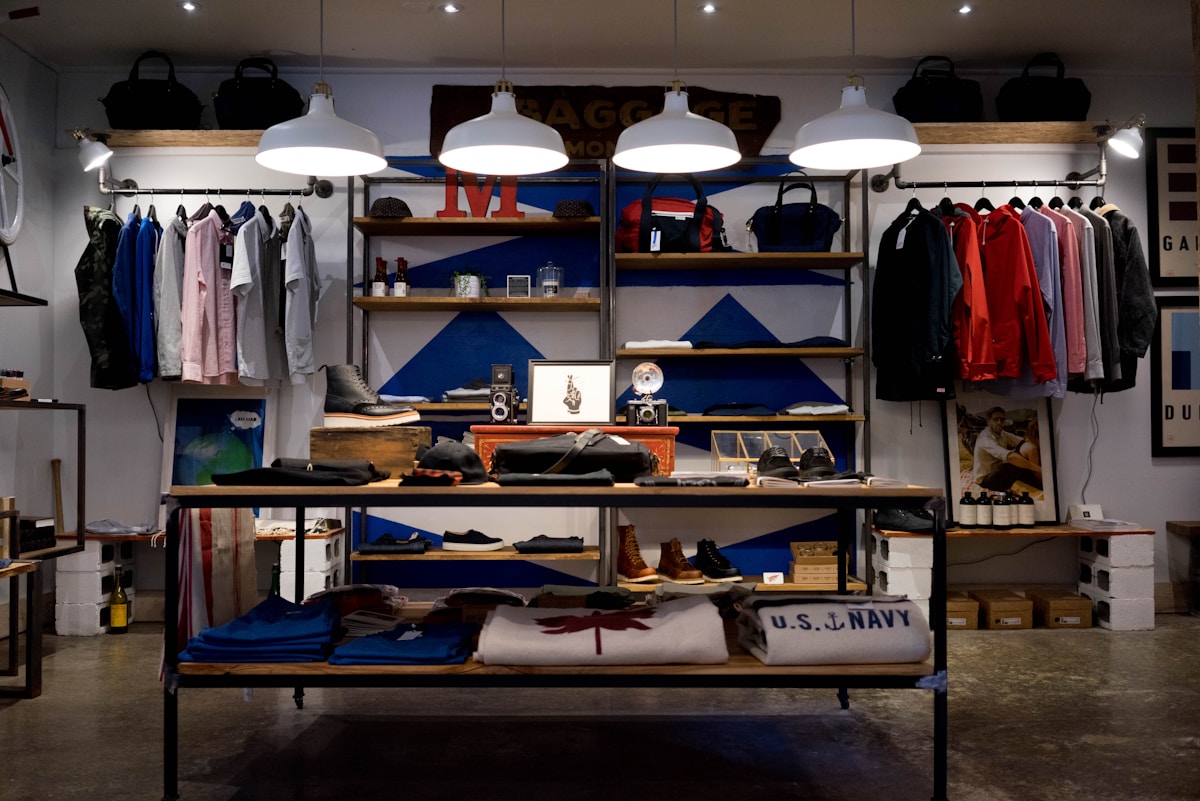
- Primary Signal: How to Start Reselling Items You Already Own for Your First Profit
- Overview: Reselling starts fastest with things already in your home. This guide shows how to pick, price, photograph, and list them so your first sales fund your next round of stock....
- Verification: Analyzed and compiled by Try2Rich editorial monitoring desk.
Reselling items you already own is the fastest zero-budget side hustle for most beginners, because you do not need to buy stock before you can sell. Clothes, books, electronics, kitchenware, toys, tools, and furniture sitting unused already have value to someone else. Your first goal is not to build a shop. It is to make a few clean, honest sales, learn what buyers actually want, and use that profit, not new debt, to fund any future stock. That sequence keeps risk low and teaches pricing, photos, and customer messages before you spend anything.
Start with a one-hour audit of your home, room by room, and pull out items in good, working condition that you have not used in six to twelve months. Check that electronics charge and work, clothes are clean and undamaged, and books have no missing pages. Set aside anything broken, stained, or missing parts unless you clearly describe the fault and price it accordingly. Beginners earn trust fastest by selling quality first: one honest listing with accurate condition notes beats five vague listings that lead to returns. Keep items you still use, even if they might sell, because regret sales rarely feel worth it.
Price by checking sold listings, not asking prices. Search the same item, brand, size, and condition on your chosen marketplace and filter for completed or sold results where available. Price slightly below comparable sold items if you want a fast first sale, and slightly higher only if your item is rarer or in better condition. Remember fees, postage, and packaging: a sale price is not profit until those costs are deducted. For local bulky items such as furniture, collection-only listings often save postage hassle and attract nearby buyers quickly. Write the price, condition, measurements, and any flaws in the listing itself, so buyers do not need to ask basic questions.
Photos sell resold items more than descriptions do. Use natural daylight, a plain background, and at least four photos: front, back, detail or label, and any flaw. For clothes, show the item flat or on a hanger with size and fabric details. For electronics, photograph the item switched on and include chargers or accessories. Write a title that a buyer would actually search: brand, item, size, colour, and condition, rather than cute but unsearchable phrases. A clear title and honest photos reduce messages, returns, and disputes, and they help your listing appear in marketplace search.
Choose one marketplace first and learn its rules. General marketplaces are good for household goods, fashion apps suit clothes and accessories, and local groups suit bulky items. Read the platform's fee, payout timing, and return policy before listing, and use its payment system rather than private transfers where possible. Reply promptly, confirm collection or postage times, and pack items so they arrive as described. After each sale, note what sold, how long it took, and the net profit after fees and postage. That log becomes your buying guide if you later move from selling your own items to sourcing stock deliberately.
Once your own items run low, only then consider buying to resell, and do it slowly. Use profits from first sales to buy one small batch in a category you already understand, such as books, clothes, or small electronics, and test whether it sells before buying more. Avoid borrowing money to fill a shop, and avoid categories with high return rates or authenticity risks until you can spot fakes. Reselling rewards patience and good listing habits more than speed. Start with what you own, sell it honestly, reinvest the profit, and let the first few sales prove whether this is a hustle you enjoy enough to grow.
📖 Continue Reading the Full Story
Continue reading this article on Try2Rich.
⚡ Access Full Content NowMore from Try2Rich


 🎁 Get Rich Free
Side hustles you can start from your phone today: A Practical Beginner's Guide
This guide explains side hustles you can start from your phone today in plain language, with practical steps, ...
 💰 Free2Rich Online
How to Start a Print on Demand Store for Free: A Beginner's Step-by-Step Guide
Print on demand lets you sell custom shirts, mugs, and posters without inventory or upfront costs. Follow this...
 📦 Free2Rich Vault
Troubleshooting Guide: Desi Shop Khata, Profit & School Fee Calculator (PKR) (Day 12 Guide)
Diagnosing hidden issues using the Desi Shop Khata, Profit & School Fee Calculator (PKR) on Free2Rich Vault. D...
 🪙 FreeFortune Crypto
Pro Tips & Tricks: Desi Shop Khata, Profit & School Fee Calculator (PKR) (Day 13 Guide)
How professionals get 10x value from the Desi Shop Khata, Profit & School Fee Calculator (PKR) on FreeFortune ...