How to Start Passive Income With Little Money: A Beginner's First-Stream Plan
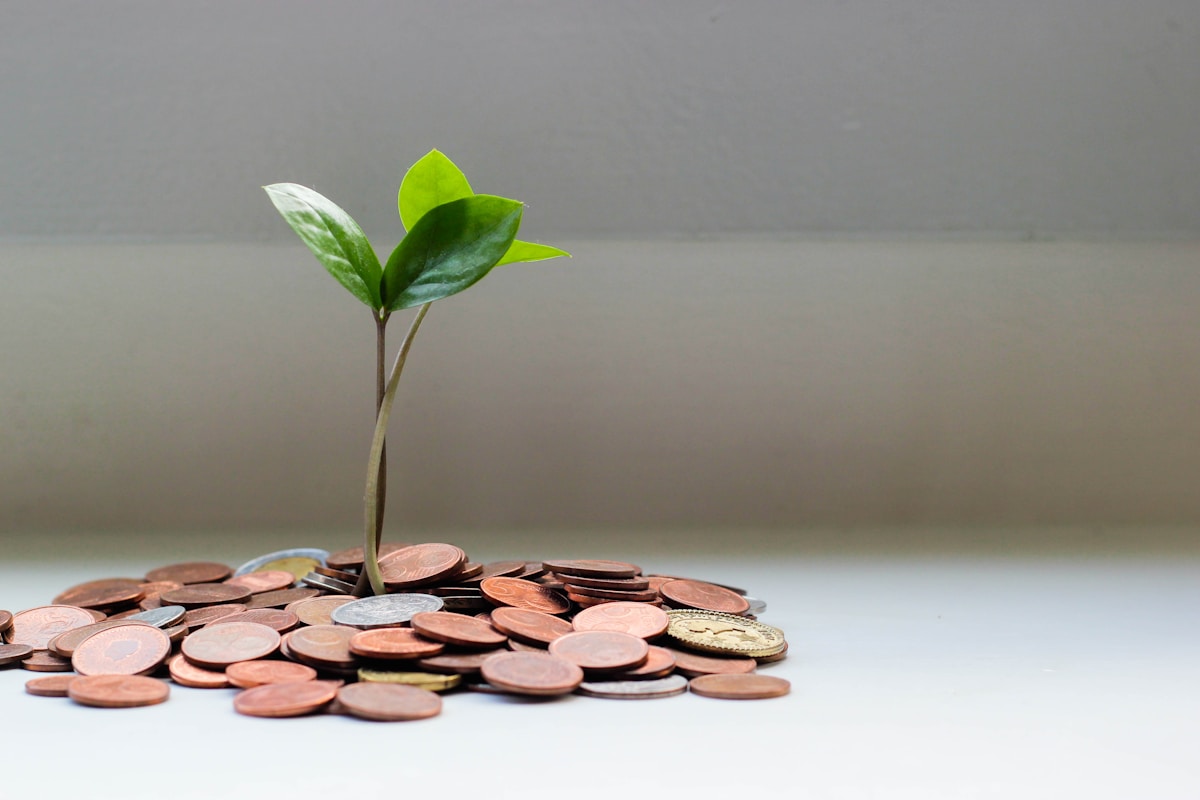
- Primary Signal: How to Start Passive Income With Little Money: A Beginner's First-Stream Plan
- Overview: You do not need a large lump sum to begin. This plan helps you pick one capital-light first stream, build it in small weekly steps, and reinvest early earnings before adding a seco...
- Verification: Analyzed and compiled by Try2Rich editorial monitoring desk.
Passive income with little money starts with a shift in expectations: you are not buying income, you are building an asset. With almost no starting capital, that asset is usually your time, your knowledge, or something you already own. A high-yield savings account can pay interest, but on a small balance the amount will be modest. A digital template, a stock photo portfolio, or a rented parking space can also start small, yet each one can keep earning after the initial work is done. The honest goal for a first stream is not replacing your salary in a month. It is proving that one repeatable system can bring in money without a fresh hour of work for every pound or dollar earned.
Begin by auditing what you already have, because that decides your cheapest path. List three things: skills people already ask you about, files or photos you have already created, and assets sitting unused, such as a driveway, a spare room, or a good camera phone. If you have skills but no cash, a service-based asset that later becomes a product often works best. If you have unused space, rental income may be faster. If you have neither, learning one sellable skill for a few weeks is usually a better first step than chasing ten ideas at once. Write down the time you can realistically give each week, because a plan that needs twenty hours will fail if you only have five.
Next, choose one stream and give it a clear 90-day test. A useful test has a product, a place to sell it, and a weekly output target. For example, you might publish ten stock photos a week, list one rentable asset properly, or create one small template pack and improve its listing each week. Avoid the common trap of researching for a month without publishing anything. Your first version does not need to be perfect, but it does need to be findable: a clear title, an honest description, and keywords that describe the problem it solves. Early feedback, even a single sale or enquiry, tells you far more than another week of planning.
Price for learning, not for perfection. Beginners often overprice a first product or underprice a first service, and both mistakes slow progress. For a digital product, a low introductory price can bring in early buyers and reviews, and you can raise it once the product proves useful. For a rented asset, check comparable listings in your area rather than guessing. For investment-based income, start with an amount you can afford to leave invested and automate a small regular contribution if possible. The point is to create a loop: earn a little, learn what worked, improve the asset, and let the next sale or payment come a little easier.
Track only three numbers in the first three months: hours spent, money earned, and repeatability. Hours tell you whether the stream is truly becoming more passive or just a second job in disguise. Money tells you whether demand is real. Repeatability tells you whether the same asset can sell again without being rebuilt from scratch. If all three move in the right direction, keep going and reinvest a share of earnings into better tools, better photos, or a wider listing. If hours keep rising while earnings stay flat, pause and simplify the offer before adding anything new. One working stream beats five half-built ones.
Finally, protect the habit that makes passive income possible. Set aside a fixed weekly slot, keep a simple record of income for tax purposes, and avoid spending early earnings before you know whether the stream is stable. Do not borrow money to chase a passive income promise, and be sceptical of any system that guarantees returns. Real passive income is usually slow, uneven at first, and built from ordinary assets improved over time. Start with one stream, finish the 90-day test honestly, and only then decide whether to scale it or build a second one on top of it.
📖 Continue Reading the Full Story
Continue reading this article on Try2Rich.
⚡ Access Full Content NowMore from Try2Rich

 🎁 Get Rich Free
Side hustles you can start from your phone today: A Practical Beginner's Guide
This guide explains side hustles you can start from your phone today in plain language, with practical steps, ...
 💰 Free2Rich Online
How to Start a Print on Demand Store for Free: A Beginner's Step-by-Step Guide
Print on demand lets you sell custom shirts, mugs, and posters without inventory or upfront costs. Follow this...
 📦 Free2Rich Vault
The Pay Yourself First Budgeting Method: A Step-by-Step Guide for Beginners
The pay yourself first method flips the usual budgeting order: savings leave your account on payday, and you b...
 🎉 FreeFortune Rewards
Best Cashback for Online Shopping Beginners: Start Here in 2026
New to cashback? Start with one portal, one card, and one receipt app. This beginner guide skips the complexit...