What Happened to Confederate Stocks? Civil War Investing Story
About this video
What would happen if you bought Confederate stocks on the eve of the Civil War? This historical finance breakdown follows a southern investor from Lincoln’s 1860 election through secession, blockade, inflation, and the collapse of the Confederate economy. The episode looks at the kinds of assets ava
📌 Key Highlights & Takeaways
- What would happen if you bought Confederate stocks on the eve of the Civil War?
- This historical finance breakdown follows a southern investor from Lincoln’s 1860 election through secession, blockade, inflation, and the collapse of the Confederate economy.
- The episode looks at the kinds of assets ava
What would happen if you bought Confederate stocks on the eve of the Civil War? This historical finance breakdown follows a southern investor from Lincoln’s 1860 election through secession, blockade, inflation, and the collapse of the Confederate economy.
The episode looks at the kinds of assets available in the 1860s—railroad stocks, local banks, and small manufacturing firms—then traces how war split the market in two. Southern shares were hit by the Union blockade and the loss of access to northern commerce, while some businesses briefly surged on military contracts and blockade running.
But those gains were often erased by Confederate hyperinflation, making even high dividends misleading in real terms. By the end, the video shows which Confederate investments survived, which were wiped out, and how reconstruction changed the value of southern stocks after the war.
It is part history documentary, part stock market analysis, and part alternate-history thought experiment for viewers interested in the Civil War economy, wartime investing, and historical business history. Created for viewers searching for Confederate stock market history, Civil War economics, historical investing analysis, and documentary-style explanations of wartime finance.
It also fits searches for US Civil War history, railroad stocks, bank failures, blockade runners, and economic history videos with clear narration.
Editorial Text & Content Analyzer
Analyze real-time word count, reading speed, and text density metrics on the fly.
Source: dailymotion.
Watch at the original source ↗
For questions: mrsmithcons@gmail.com.
❓ Frequently Asked Questions (Investing 101 Briefing)
How does this Investing 101 strategy accelerate financial independence and compounding?
By focusing on high-margin micro-acquisitions, zero-capital bounties, and automated digital toolkits, cash flow can be systematically reinvested without taking unhedged downside risk.
What is the optimal capital allocation and safe withdrawal threshold?
FIRE models recommend maintaining a 3.5% to 4.0% safe withdrawal rate (SWR) with at least 12 months of liquid operational reserves while scaling automated digital assets.
What execution tools are recommended for replicating these results?
Explore our verified directory of open-source scripts, micro-SaaS evaluation checklists, and vetted bounty platforms linked across Try2Rich.
💼 Complete Financial Independence Blueprint & Templates
Download free cash flow spreadsheets, automation frameworks, and niche lists.
⚡ Download Wealth Blueprint ➔More from Try2Rich



 💰 Free2Rich Online
2 of the Best Warren Buffett Stocks for a Lifetime of Passive Income
Breaking coverage reported by The Motley Fool: 2 of the Best Warren Buffett Stocks for a Lifetime of Passive I...
 🐋 CryptoAce VIP
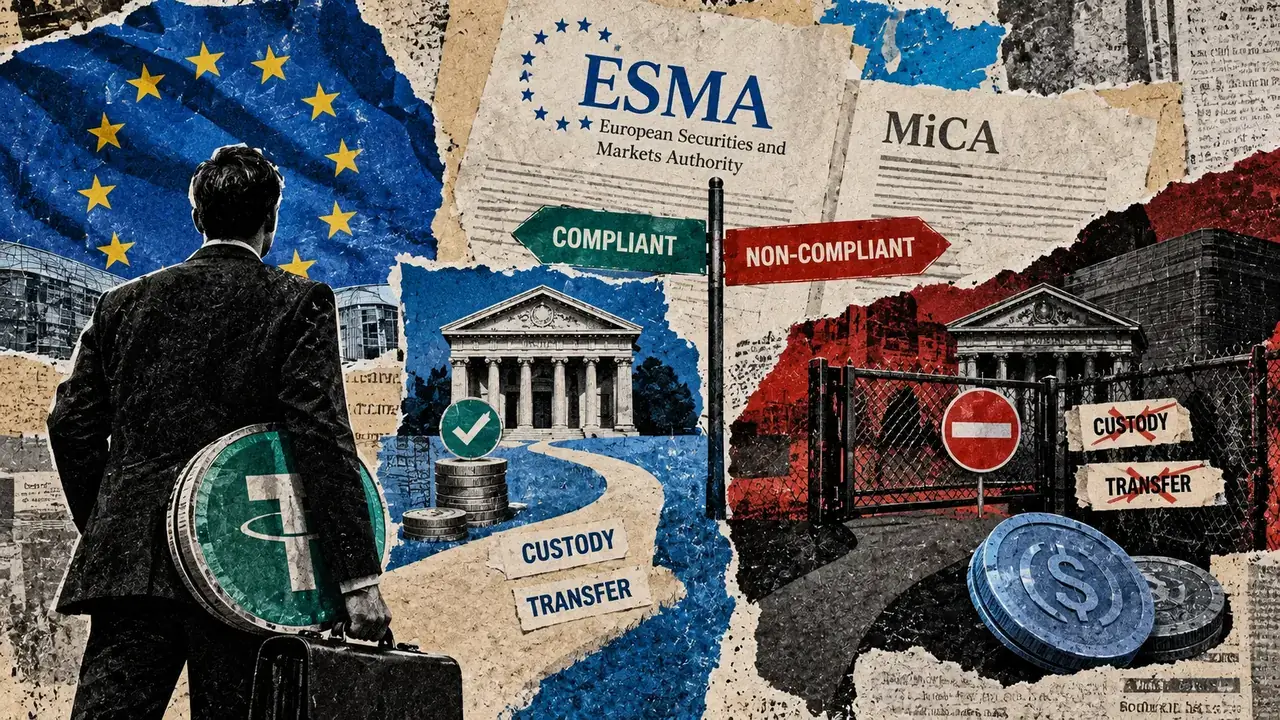
ESMA proposes ending EU custody and transfer services for non-compliant stablecoins
Non-compliant tokens could lose licensed custody and transfer access if the proposal becomes law, with exit ru...
🚀 RocketCoin Casino
Strategic Breakdown: Deep-Dive Analysis into Crash & Multipliers and Global Market Dynamics
Comprehensive 2026 editorial analysis exploring Crash & Multipliers on RocketCoin Casino. Discover key strateg...
 ₿ Lucky Satoshi
Next-Generation Playbook: Unlocking Asymmetric Opportunities Across Lightning Bets
Comprehensive 2026 editorial analysis exploring Lightning Bets on Lucky Satoshi. Discover key strategic framew...