How to Make Money Doing Voiceover Work From Home as a Beginner
- Primary Signal: How to Make Money Doing Voiceover Work From Home as a Beginner
- Overview: A beginner guide to paid voiceover work: the gear you need, where the jobs are, and how to price your first gigs without an agent....
- Verification: Analyzed and compiled by Try2Rich editorial monitoring desk.
Voiceover work is one of the most overlooked ways to earn money from home, because most people assume you need a radio voice or a professional studio. The truth is simpler. Businesses need voices for YouTube videos, online courses, adverts, phone messages, audiobooks, and explainer videos every day, and most of them hire freelancers online. If you can read clearly, speak naturally, and record clean audio, you can start.
The work splits into a few clear types, and beginners should pick one to start. Commercial voiceover covers adverts and brand videos. Narration covers audiobooks, documentaries, and online courses. Explainer and corporate work covers training videos and company presentations. Each type pays differently and needs a different style, so choosing one lets you build a demo that matches the jobs you actually want.
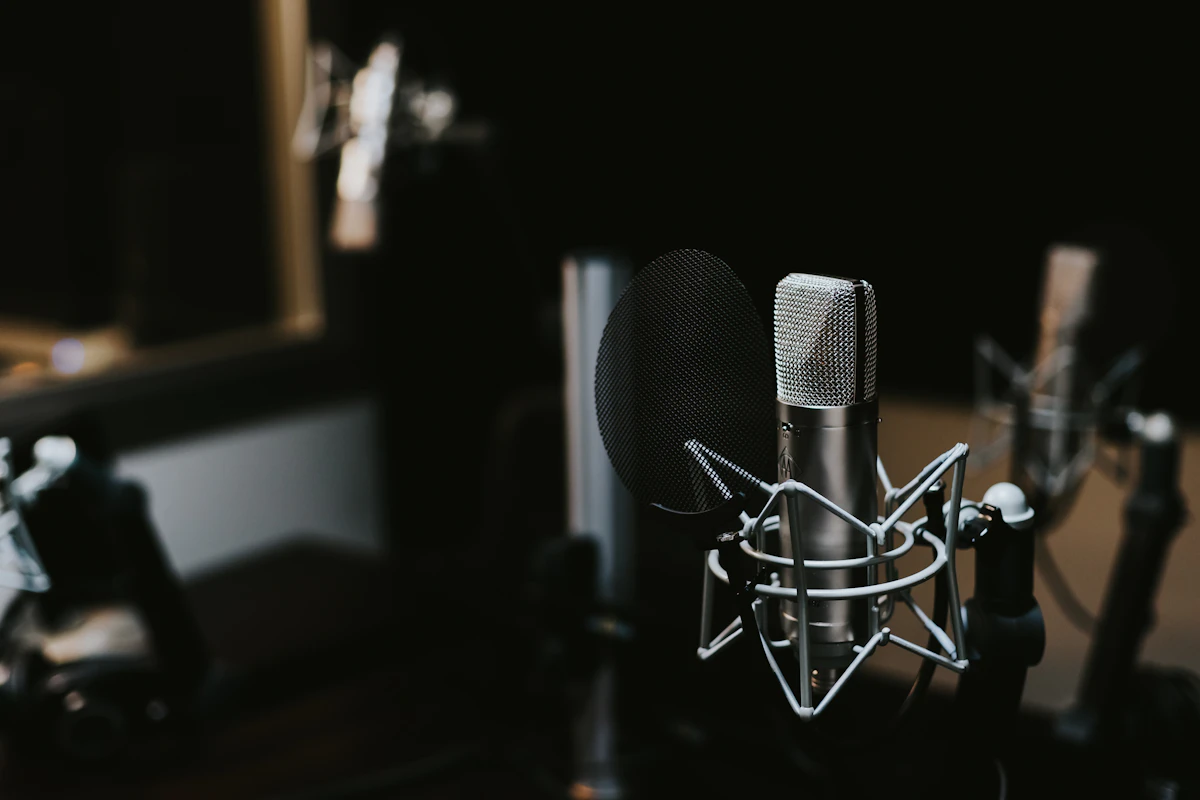
Your recording setup does not need to cost much. A USB microphone in the 70 to 120 dollar range, a quiet room with soft furnishings, and free software like Audacity are enough for your first paid jobs. Record in a closet full of clothes if your room echoes, because clothes absorb sound better than an empty wall. Clients judge the audio quality first and your voice second, so a clean recording from a cheap microphone beats a noisy recording from an expensive one.
Your demo is your shop window. Record three short samples, each 30 to 60 seconds long, in the style you want to sell: one commercial read, one narration read, and one friendly explainer read. Use scripts from real adverts or write your own. Keep each demo short, because a client decides in the first ten seconds whether your voice fits their project. Put the demos on a simple profile page or a free SoundCloud account.
The jobs live on freelance platforms and in direct outreach. Fiverr and Upwork list voiceover gigs daily, and dedicated sites like Voices.com and Voice123 connect clients with voice talent, though they charge membership or commission fees. A beginner does better on Fiverr and Upwork first, where a 50 dollar gig is a normal starting point. Direct outreach works too: message small YouTube channels and course creators and offer to voice their next video.
Pricing is usually per project or per finished minute of audio. A beginner rate of 100 to 150 dollars for a short script of up to 500 words is realistic for commercial work, and audiobook narration often pays 100 to 200 dollars per finished hour. Four small jobs a month at 150 dollars each earns 600 dollars, because 4 times 150 equals 600. As your reviews grow, raise the rate by 25 dollars every few months and let the market tell you when to stop.
The skill that separates paid voice actors from hobbyists is direction: reading the script the way the client imagined it. Before you record, ask three questions: who is listening, what should they feel, and what should they do after hearing this. A voiceover for a children's app sounds nothing like a voiceover for a law firm, even if the same person reads both. Mark the script with pauses and emphasis before you press record, and read it aloud twice before the real take.
Turnaround time is part of the product. Many clients choose the voice actor who delivers in 24 hours over the one with the better voice who takes a week. Set a clear delivery promise, like 24 to 48 hours for scripts under 1,000 words, and keep it. A fast, reliable beginner gets repeat work, and repeat work is where voiceover income becomes stable instead of a series of one-off gigs.
Rejection is constant and it is not personal. A client who picks another voice usually picked a tone, an accent, or an age sound that fit their brand, not a better performer. Audition for ten jobs to win one in your first month, and treat each audition as free practice. The auditions that fail still teach you which scripts suit your voice and which do not, and that knowledge is worth more than the fee.
Protect your work with simple rules. Never record a full script before payment terms are agreed, ask for a deposit on jobs above 200 dollars, and agree on how many revisions are included before you start. Two revisions is standard. A client who asks for endless retakes without paying more is a client to finish politely and not work with again.
Q: Do I need a professional studio to start voiceover work? A: No. A quiet room, a USB microphone, and free editing software are enough for beginner jobs. Clients care about clean audio, not about where you recorded it.
Q: How much can a beginner voiceover artist earn? A: Beginners typically earn 50 to 150 dollars per small project. Four projects a month at 150 dollars is 600 dollars, and rates rise quickly once you have ten good reviews.
Q: Where do I find my first voiceover jobs? A: Start on Fiverr and Upwork, where small gigs are listed daily, and message small YouTube channels and course creators directly. A short demo and fast delivery win more jobs than a long profile.
More from Try2Rich