Flipping Thrift Store Finds for Profit: A Beginner's Reselling Guide
- Primary Signal: Flipping Thrift Store Finds for Profit: A Beginner's Reselling Guide
- Overview: Thrift stores are full of undervalued items waiting for a second life. Learn what sells, where to sell it, and how to turn a $5 find into a $50 profit without getting stuck with de...
- Verification: Analyzed and compiled by Try2Rich editorial monitoring desk.
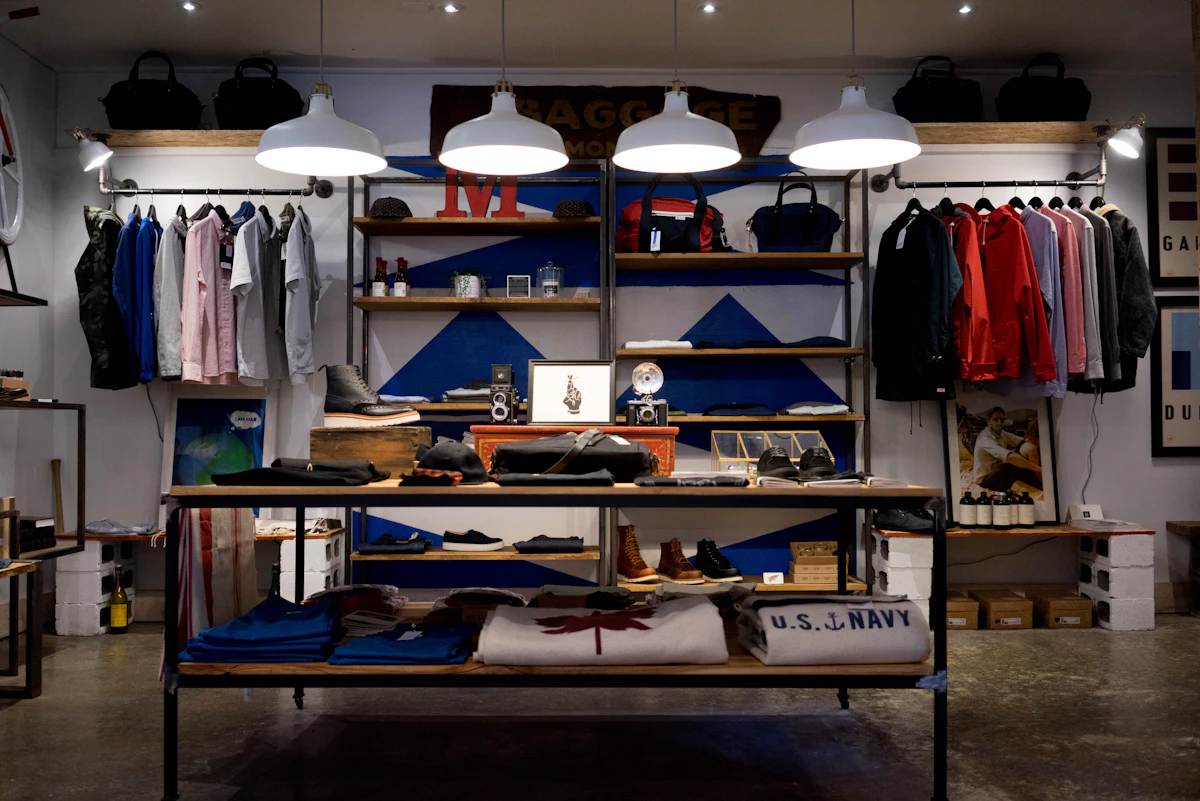
Walk into any thrift store and you will see shelves of items priced far below their real value: a vintage jacket for $5, a brand-name coffee maker for $8, a board game that sells for $40 online. Flipping — buying undervalued items and reselling them for a profit — is one of the oldest side hustles there is, and it still works in 2026 because thrift stores price for quick turnover, not for maximum value. The skill is knowing what sells, what does not, and how to avoid filling your home with things nobody wants. This guide covers the whole process, from the first thrift store visit to your first profitable sale.
What Sells: The Categories That Move Fast
Not everything in a thrift store is worth flipping. The categories that consistently sell are vintage clothing and denim, brand-name electronics that still work, board games and video games, books by popular authors, kitchenware from known brands, and collectibles like vinyl records and vintage toys. The key is to learn one or two categories deeply rather than guessing across all of them. A flipper who knows vintage denim can spot a $60 pair of jeans in a $5 rack in seconds; a flipper who knows nothing will walk past it. Before your first trip, spend an hour on eBay's sold listings — not active listings, but completed sales — to learn what items actually sell for and how fast they move. That research is worth more than any shopping trip.
Where to Sell: eBay, Facebook and Local Markets
Where you sell matters as much as what you buy. eBay is the biggest marketplace and the best for items that ship easily, because buyers search there first and sold prices are transparent. Facebook Marketplace is best for bulky items like furniture and large electronics, because local pickup avoids shipping costs. Poshmark and Depop work well for clothing, especially vintage and branded pieces. For each platform, learn the fees before you price: eBay takes around 13 percent, and shipping costs can eat your margin if you price wrong. Photograph items in good light against a clean background, write honest descriptions that mention flaws, and answer buyer questions quickly. Good photos and honest listings are what separate profitable flippers from the ones with a garage full of unsold stock.
Pricing, Sourcing and the Numbers That Matter
Flipping is a numbers game, and the rule is simple: buy low, sell fast, and never pay more than a third of the expected selling price. A $5 item that sells for $20 is a good flip; a $15 item that sells for $20 is not, once fees and shipping are counted. Set a sourcing budget — $50 a week is plenty to start — and stick to it. Visit thrift stores early in the week when new stock arrives, check the clearance racks first, and learn which stores in your area price fairly and which overprice everything. Keep a simple spreadsheet of what you bought, what you paid, what it sold for, and how long it took. After a month, the numbers will tell you exactly which categories make money and which ones waste your time.
Mistakes That Kill New Flippers
The biggest mistake is buying what you like instead of what sells. Your taste is not the market's taste, and a beautiful item that nobody searches for is just clutter. The second mistake is overpaying: if the price is close to the online selling price, walk away, because fees and shipping will erase the profit. The third is ignoring condition — a stained shirt, a scratched game disc or a missing part can make an item unsellable. The fourth is buying too much too fast: start with ten items, sell them, and only then buy more. And the fifth is forgetting the hidden costs — petrol, packaging, storage, and your time. Flipping is a real business, and the flippers who last are the ones who treat the numbers seriously from day one.
Flipping thrift store finds is one of the most accessible side hustles there is: no skills required, no upfront investment beyond a few dollars, and real money to be made from the first week. Learn one category, buy low, sell honestly, and track your numbers. The thrift store will still be there tomorrow — the question is whether you will know what to look for when you walk in.
Frequently Asked Questions
Q: How much money can you make flipping thrift store items?
A: Beginners typically make $100 to $500 a month part-time. Experienced flippers who specialise in one category and source consistently can earn $1,000 or more a month.
Q: What items flip best from thrift stores?
A: Vintage clothing and denim, brand-name electronics, board games, books, kitchenware from known brands, vinyl records and vintage toys consistently sell well — but learn one category deeply rather than guessing.
Q: Where is the best place to sell flipped items?
A: eBay is best for items that ship easily, Facebook Marketplace is best for bulky local items, and Poshmark or Depop work well for clothing. Always check the platform fees before you price.
More from Try2Rich