How to Rent Out Your Camera Gear for Extra Income (Beginner's Guide)
- Primary Signal: How to Rent Out Your Camera Gear for Extra Income (Beginner's Guide)
- Overview: Your camera, lenses, and lights can earn money on the days you are not using them. Learn the platforms, the pricing, and how to protect your gear....
- Verification: Analyzed and compiled by Try2Rich editorial monitoring desk.
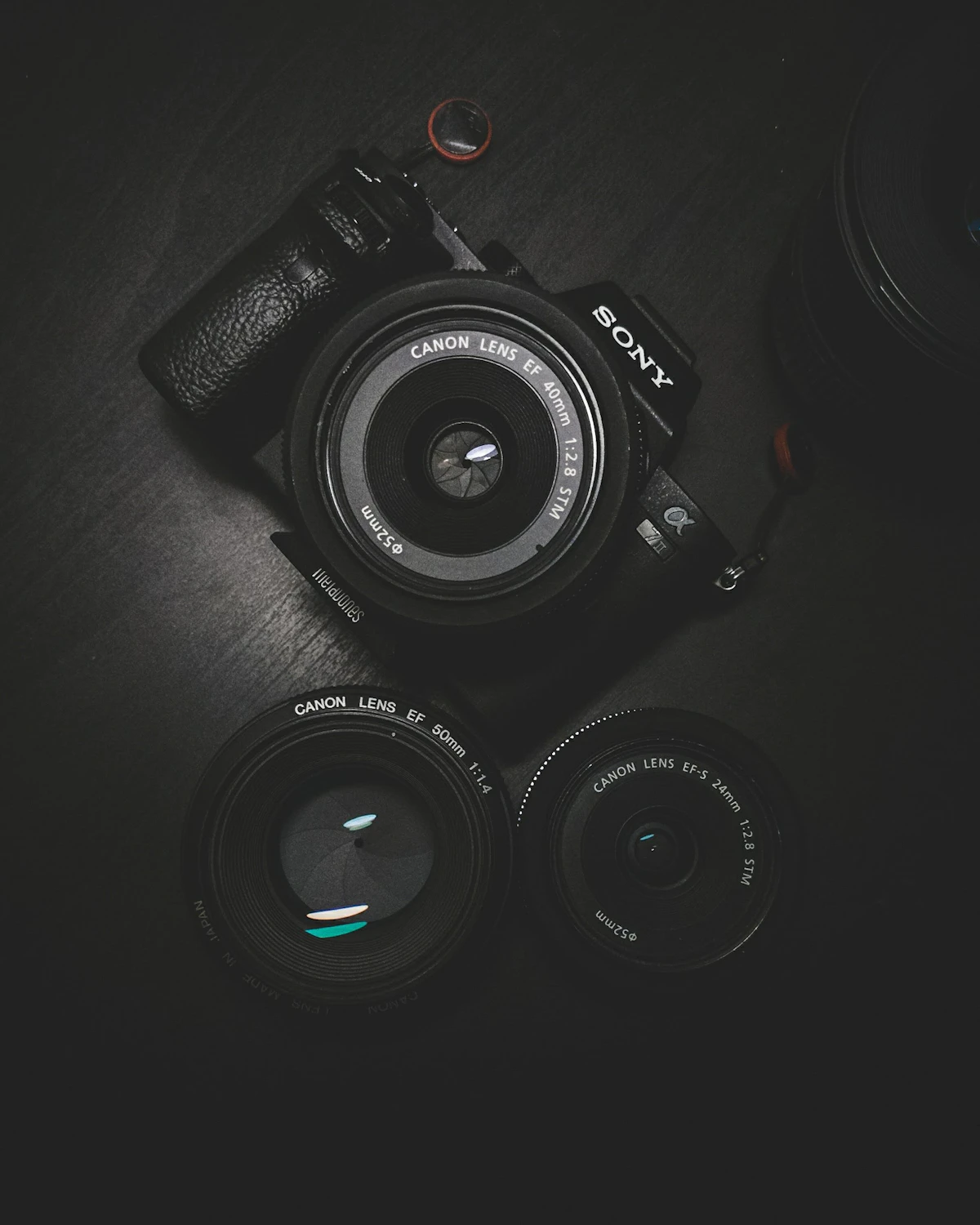
A camera body and two lenses can cost 3,000 dollars or more, and for most owners they sit in a bag for 25 days a month. Renting that gear out on the days you are not using it turns a depreciating purchase into a small income stream. Photographers, filmmakers, and content creators rent gear constantly, because buying every lens for one shoot makes no sense. Your idle equipment is exactly what they need.
The rental market works through platforms and local networks. Sites like ShareGrid, KitSplit, and Fat Llama list your gear, handle the booking, and take a commission, usually 15 to 25 percent. Local Facebook groups and photography communities work too, and they keep the full fee, but you handle the payment and the trust yourself. Most owners start on a platform for the insurance and the built-in demand, then add direct rentals later.
Pricing follows the value of the gear. A popular camera body rents for 40 to 80 dollars a day, a professional lens for 25 to 50 dollars a day, and lighting or audio kits for 20 to 40 dollars a day. A realistic starter target is 480 dollars a month from eight rental days at 60 dollars a day, because 8 times 60 equals 480. That is two weekends a month, and it covers the cost of the gear over time instead of letting it lose value in a cupboard.
Your listing is what gets you booked. Use clear photos of your actual gear, list the exact model and what is included, and state the condition honestly. A renter choosing between two identical lenses picks the one with better photos, a faster reply, and more reviews. Include the extras that make a shoot work: batteries, chargers, memory cards, and a bag. Small inclusions win bookings, because renters hate discovering a missing charger on set.
Insurance is the part beginners skip and regret. Platforms usually include cover for damage and theft during the rental, but check the excess and the exclusions before your first booking. For direct rentals, ask for a security deposit and a signed agreement that states the replacement value. Photograph the gear with the renter before handover and again at return. Those two photos settle almost every dispute before it starts.
Meeting the renter in person is safer than shipping for your first rentals. A coffee shop or a camera store is a good handover point, and it lets you check the renter's ID and show them how the gear works. Shipping works once you have experience, but it adds risk: damage in transit, late returns, and disputes about condition. Keep your first ten rentals local and face to face.
Maintenance is a real cost, so price for it. Lenses need cleaning, batteries wear out, and shutter mechanisms have a limited life. Set aside 15 to 20 percent of rental income for cleaning, repairs, and eventual replacement. A camera that earns 480 dollars a month and costs 80 dollars a month to maintain is still a good deal, but a camera that earns 480 dollars and needs a 600 dollar repair was never priced correctly.
The gear that rents best is the gear people want for one weekend, not forever. Popular mirrorless bodies, fast prime lenses, drones, gimbals, and LED light panels rent constantly, because creators need them for a specific shoot. Old or unusual gear rents rarely, no matter how good it is. If you are buying gear partly to rent it out, buy the popular model that everyone searches for, not the unusual one you personally prefer.
Availability is what builds repeat renters. A filmmaker who rents your lens twice will book it a third time if you reply fast and the gear is ready. Keep a simple calendar, block the days you need the gear yourself, and reply to enquiries within an hour. Renters plan shoots on tight schedules, and the owner who answers first usually gets the booking.
Start small and grow only with proof. List one camera and one lens, complete five rentals, and see what the real income and hassle look like before buying more gear to rent. Many owners discover that one popular lens earns more than a whole bag of unusual equipment, and they focus on that. Renting gear is a side hustle, not a shop, and it works best when it stays simple.
Q: How much can I earn renting out camera gear? A: Eight rental days a month at 60 dollars a day earns 480 dollars. Popular bodies and lenses rent for 40 to 80 dollars a day, and the income grows as you add more sought-after items.
Q: Is it safe to rent my camera to strangers? A: Platforms include insurance and handle payment, which makes it much safer. For direct rentals, meet in person, take a deposit, photograph the gear before and after, and use a simple written agreement.
Q: What camera gear rents best? A: Popular mirrorless bodies, fast prime lenses, drones, gimbals, and LED lights. These are items creators need for one shoot and prefer to rent rather than buy.
More from Try2Rich


