High-Yield Savings vs Investing: Where Should Beginners Put Their First $1,000?
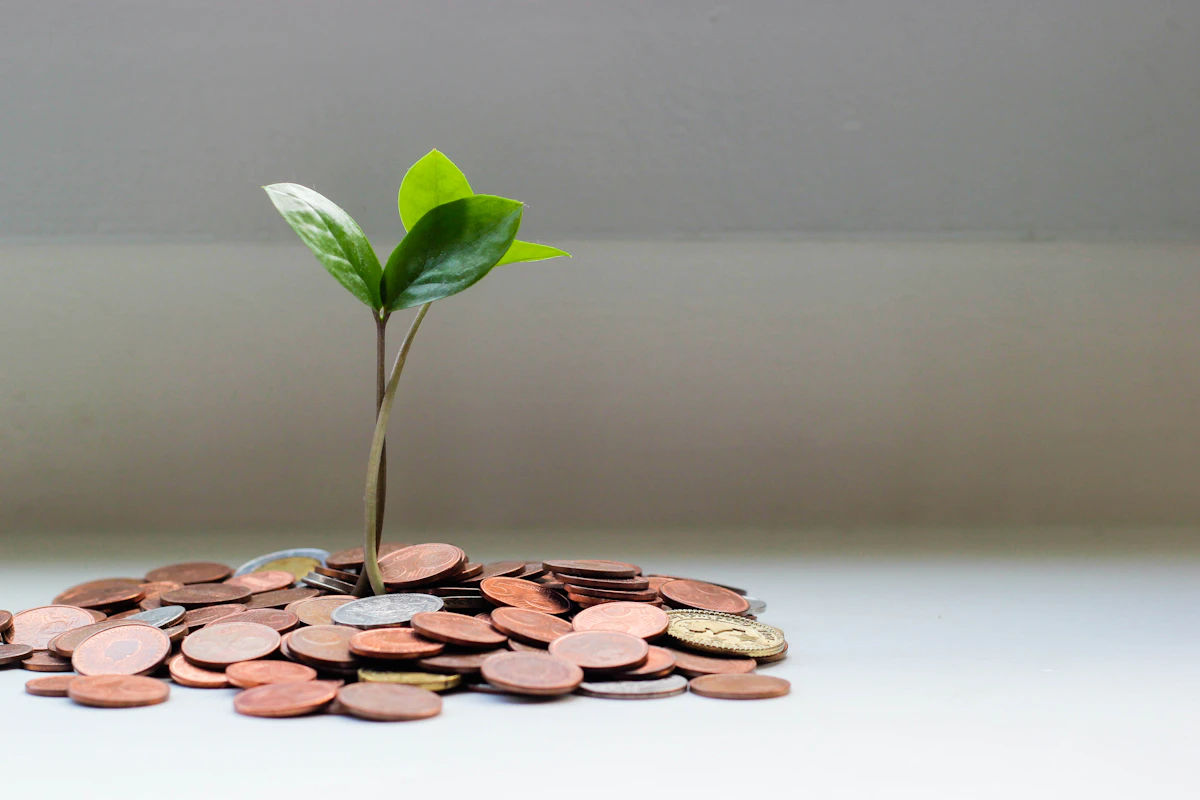
- Primary Signal: High-Yield Savings vs Investing: Where Should Beginners Put Their First $1,000?
- Overview: Your first $1,000 is a milestone — and where you put it matters. Compare high-yield savings accounts and beginner investing side by side, and learn the simple rule that decides whi...
- Verification: Analyzed and compiled by Try2Rich editorial monitoring desk.
You have saved your first $1,000, and now comes the question every beginner asks: should I put it in a high-yield savings account or start investing? Both options are good, but they do completely different jobs, and choosing the wrong one at the wrong time can cost you. A savings account protects your money and keeps it accessible; investing grows it over time but comes with risk and volatility. This guide compares the two honestly, explains the simple rule that decides which comes first, and shows you exactly what to do with your first $1,000.
High-Yield Savings: Safe, Accessible, and Boring (In a Good Way)
A high-yield savings account, or HYSA, is a savings account that pays a much higher interest rate than a traditional bank — often ten times more. Your money is safe, usually protected by government deposit insurance up to a set limit, and you can withdraw it whenever you need it. The interest rate moves with the market, so your returns are modest, but the value is not the return — it is the safety and the access. A HYSA is where your emergency fund lives: the money that covers a broken car, a medical bill, or a month without income. Financial advisers generally recommend keeping three to six months of expenses in a safe, accessible account before investing anything, and a HYSA is the best place for that money.
Investing: Growth Over Time, With Real Risk
Investing means putting your money into assets that can grow — usually stocks, bonds, or funds that hold many of them at once. Over long periods, the stock market has historically returned around 7 to 10 percent a year on average, far more than any savings account. But those returns come with volatility: your $1,000 could be worth $800 next month, and it might take a year or more to recover. That is why investing is a long-term game — money you invest should be money you will not need for at least five years. For beginners, the simplest option is a low-cost index fund, which spreads your money across hundreds of companies at once and charges very little in fees. It is not exciting, but it is the approach most evidence supports.
The Simple Rule: Emergency Fund First, Then Invest
Here is the rule that decides the question: if you do not have an emergency fund, your first $1,000 belongs in a high-yield savings account. No exceptions. Investing without a safety net means that the first emergency forces you to sell your investments at the worst possible time, possibly at a loss. Once you have three to six months of expenses saved in a HYSA, then start investing — and keep investing regularly, even in small amounts, because consistency matters more than timing. A good split for someone building both is to keep saving until the emergency fund is complete, then direct new money into investments while leaving the emergency fund untouched. The order matters more than the amounts.
What to Actually Do With Your First $1,000
If this is your first $1,000 and you have no emergency fund, open a high-yield savings account and deposit it there. Set up an automatic transfer so a small amount moves into the account every payday, and do not touch it except for genuine emergencies. If you already have an emergency fund, open a low-cost brokerage account, choose a broad index fund, and invest the $1,000 as a lump sum or in monthly chunks. Then automate a monthly investment, even if it is only $25 or $50, and leave it alone. Avoid individual stock picking, day trading, and any investment that promises guaranteed high returns — those are the fastest ways to lose your first $1,000. The boring path is the one that works: save first, invest steadily, and let time do the heavy lifting.
Your first $1,000 is not about getting rich — it is about building the habit that makes you rich slowly. Put it in a high-yield savings account until your emergency fund is complete, then start investing steadily in low-cost index funds. Safety first, growth second, and patience always. That is the whole strategy, and it works.
Frequently Asked Questions
Q: Should beginners save or invest their first $1,000?
A: Save it first. If you do not have an emergency fund covering three to six months of expenses, your first $1,000 belongs in a high-yield savings account. Start investing only after the emergency fund is in place.
Q: What is a high-yield savings account?
A: A savings account that pays a much higher interest rate than a traditional bank, often ten times more. Your money stays safe and accessible, usually protected by government deposit insurance.
Q: What is the best first investment for beginners?
A: A low-cost index fund is the simplest choice for most beginners. It spreads your money across hundreds of companies at once, charges very little in fees, and is designed for long-term growth.
More from Try2Rich


