
How to Start a Side Hustle With No Money: Your First 30 Days
Starting without capital means selling skills and time first. Learn how to pick a service, find your first clients, and grow without upfront spending.
294 stories published in 2026
Starting without capital means selling skills and time first. Learn how to pick a service, find your first clients, and grow without upfront spending.

Dividends are a share of company profits paid to shareholders. Learn how they work, what yield really means, and the risks beginners often miss.

An emergency fund is possible even on a tight budget. Start tiny, automate it, and build toward one month of essentials before aiming further.
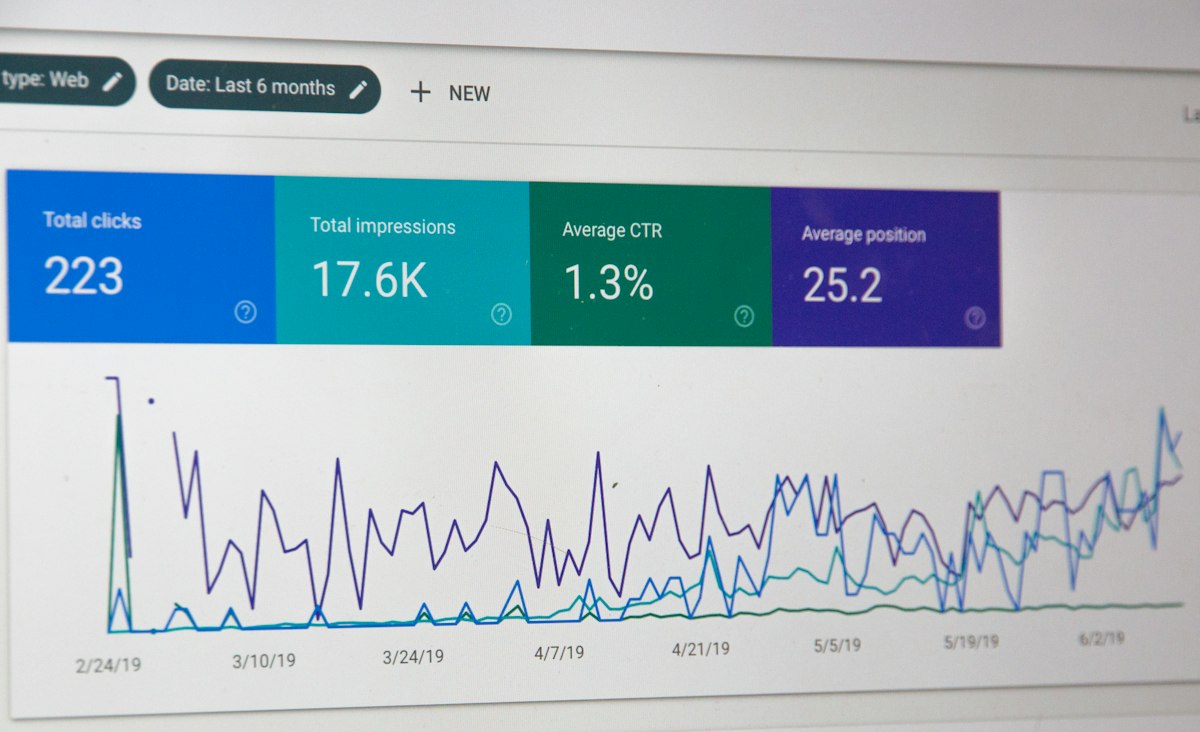
Real passive income is rarely passive at the start. Honest look at ideas that need serious upfront effort before they pay anything.

A raise is won with preparation, not luck. Research your market rate, document your results, and practise a calm, specific ask.
Your first freelance rate should cover costs, taxes, and unpaid time. Learn three pricing methods and how to raise rates without losing clients.

Index funds buy the whole market in one purchase; individual stocks bet on single companies. Compare risk, effort, and cost for beginners.

A house deposit is a big target made reachable by a clear number, a timeline, and steady habits. Practical steps to speed up saving without burnout.

A skill becomes a business when someone pays for a defined outcome. Steps to package, price, and sell what you already know how to do.
Staying out of debt is less about income and more about habits: spending below earnings, planning for surprises, and refusing lifestyle creep.
A five-hour side hustle works when it sells one clear service or product to one clear audience, instead of chasing five ideas at once. The first month should prove demand with a tiny offer, because a hustle without a paying customer is a hobby with a business card.
Dividend investing means owning shares that regularly pay part of profits to shareholders, and beginners should start with diversification, low costs, and reinvestment, not with chasing the highest yield. Very high yields often signal a falling share price or an unsustainable payout.
An emergency fund comes before investing for most people, because it stops a broken car or medical bill from forcing a sale at the worst moment. Three to six months of essential expenses in an accessible account is a common target, adjusted for job stability and dependents.
Freelance pricing should start from costs, taxes, unpaid time, and a target income, not from copying a competitor's rate. Beginners often underprice because they forget admin, revisions, and gaps between projects, which turns a busy schedule into a low income.
Direct rental property offers control and leverage but needs capital, management, and tolerance for vacancies and repairs, while REITs offer diversified property exposure with small amounts and easy selling. The right choice depends on time, capital, and whether you want a second job or an investment.
Turning a skill into a digital product works when the product solves one painful problem for one audience, and the first version is small enough to finish. A 30-day plan should spend two weeks on the core content, one week on testing with real users, and one week on a simple sales page.
Compound interest rewards time more than timing: money invested at 25 has decades longer to grow than the same amount invested at 45, even if later contributions are larger. The examples below use simple assumptions to show the gap, not to promise any return, because markets vary.
Most passive income ideas need upfront work and ongoing maintenance: rentals need management, content needs updates, and digital products need support and marketing. The honest question is not whether income is passive, but how many hours a month it needs and whether that trade is worth it.
Saving twenty percent usually comes from three big categories, housing, transport, and food, rather than from cutting small pleasures one by one. Automating the transfer on payday matters more than willpower, because money that never sits in spending money rarely gets missed.
Index funds give instant diversification at low cost, while picking stocks can beat the market only with research, patience, and tolerance for being wrong. Most new investors do better starting with a broad index core, then adding individual stocks only with money they can afford to learn with.

Headline freeze totals were large, yet Elliptic estimates about $3.33B remains under the attacker's control and beyond any centralised issuer's freeze power.

Passive income is real but rarely passive at the start, and most ideas need upfront work or capital. This realistic guide compares the most accessible options and what each one actually takes to build.
You do not need a large sum to start dividend investing, because fractional shares and regular small contributions can build a portfolio over time. This guide covers the basics, the risks, and a sensible starting routine.

Starting with no money means selling a skill or service, not buying inventory. This guide shows how to pick a service, find first clients for free, and grow without upfront spending.